from canal bank to fence line
Free quotes for forestry mulching, lot clearing, stump grinding, and invasive removal — connected with a local Pembroke Pines contractor.
Fifteen ways to take a parcel from overgrown to usable — mulched, ground, graded, and hauled by machines sized for tight Broward access.
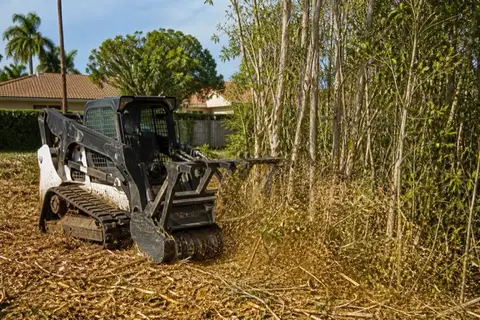
A drum head on a compact track loader turns standing pepper, melaleuca, and brush into a mulch layer on the spot — no burn piles, no haul-off, one machine.
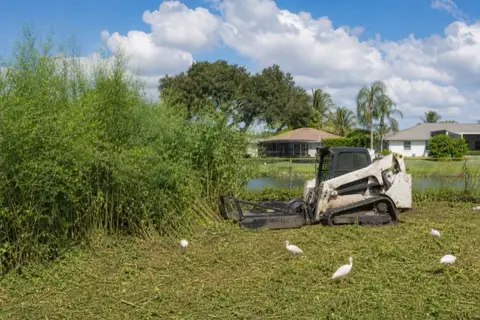
Shoulder-high dog fennel, vine mats, and pepper regrowth mowed out from under the trees you keep — backyards, side lots, and canal fences opened back up.
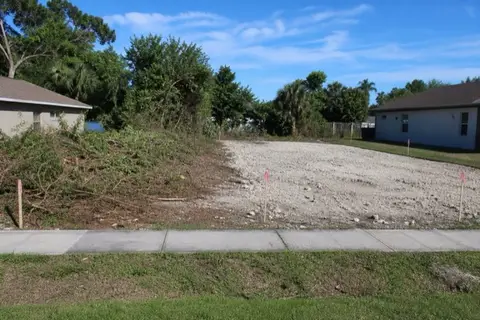
Full take-down of an overgrown parcel — vegetation, stumps, and debris out, grade held to the survey — leaving a buildable pad or a clean, sellable lot.
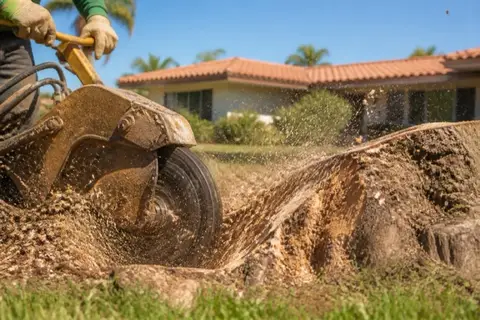
Carbide-toothed grinders take stumps six to twelve inches below grade — ficus, oak, pine, or palm — so lawns mow flat and pads pour clean.
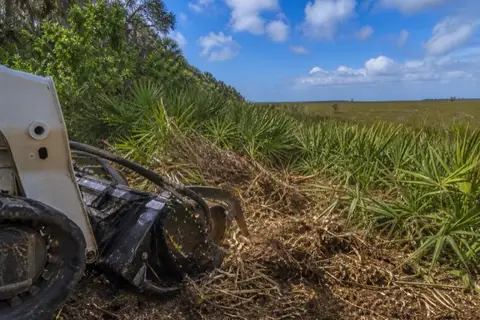
Saw palmetto thickets cut, root crowns grubbed, and ground smoothed — the toughest native scrub on western Broward parcels, removed without wrecking the soil.
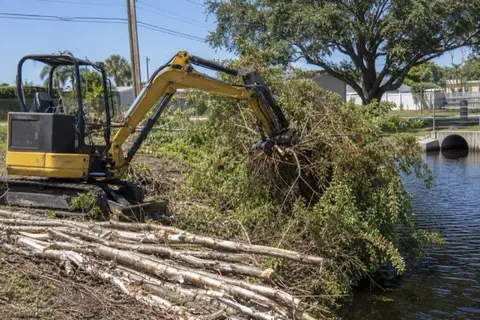
Targeted removal of Broward's two worst invaders — pepper thickets ripped out root and stump, melaleuca stands felled and mulched, natives left standing.
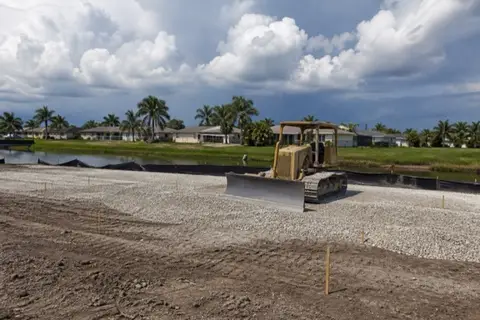
Laser-checked grading, compacted limerock pads, and swales that still drain — the step between a cleared parcel and one that's ready to build or park on.
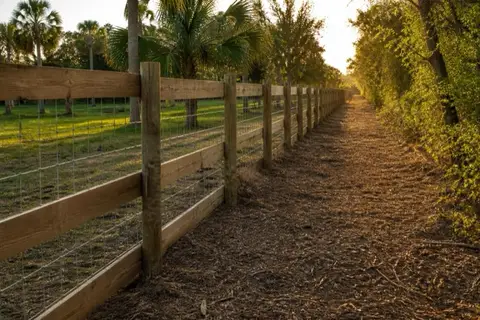
Overgrown fence corridors mulched back to the wire — pepper, ficus roots, and vine stripped off residential lines and acreage runs before repair or replacement.
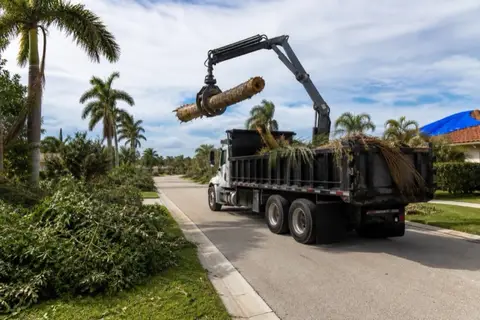
Grapple trucks and saw work for downed palms, snapped ficus, and hanging limbs after tropical weather — private-property cleanup that municipal pickup won't touch.
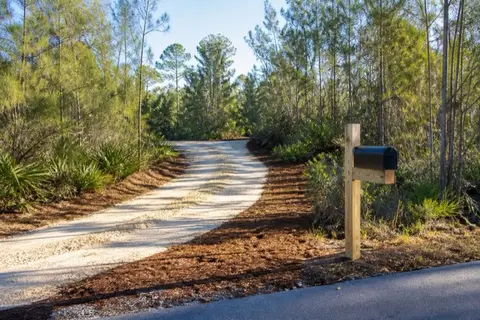
Driveway corridors cut through melaleuca and palmetto to reach back acreage — cleared, grubbed, and based with compacted limerock that survives the wet season.
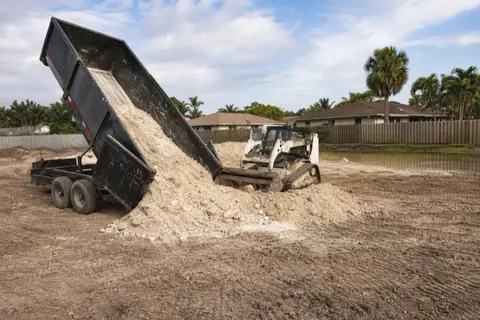
Clean fill trucked in, spread, and compacted — low spots lifted, settled ground corrected, pads built up above the wet-season water line.
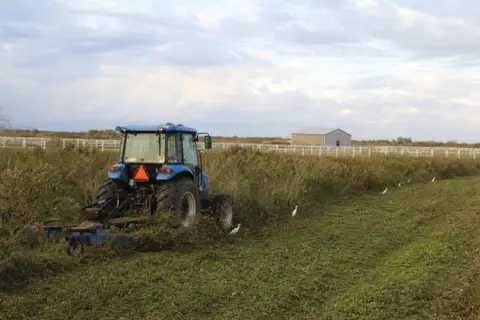
Neglected pasture and rural parcels brought back — fennel and pepper regrowth mowed out, fence lines opened, usable ground recovered a section at a time.
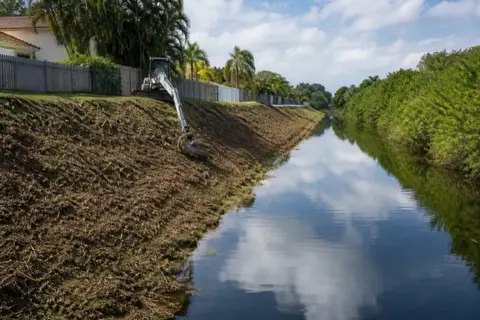
Overgrown drainage banks mowed and mulched from top of slope to waterline — with erosion control set first and cuttings kept out of the water.
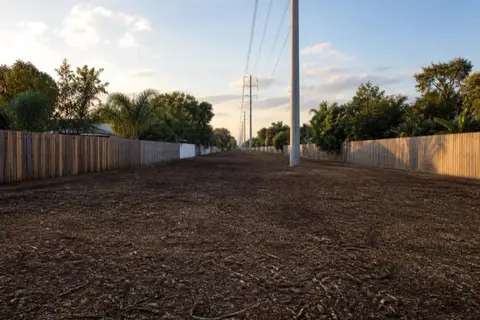
Utility easements, drainage corridors, and property frontages cleared to spec on schedule — mulched clean, documented, and kept clear under contract.
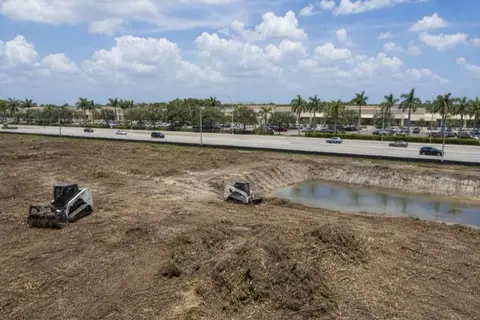
Multi-acre parcels taken from standing vegetation to graded, silt-fenced pad — sequenced against permits and inspections, priced by task, documented throughout.
This market ends at a levee. Between the beach and the sawgrass sit thousands of canal-back lots, infill parcels, and western acreage where the vegetation grows twelve months a year and the water table is never far down.

Pines Land Clearing Pros connects Pembroke Pines property owners with a local land clearing contractor for forestry mulching, lot clearing, stump grinding, grading, and invasive vegetation removal — Brazilian pepper thickets, melaleuca stands, and overgrown saw palmetto. The work is specced for Southwest Broward ground: compact track machines sized for infill lots and canal easements, mulcher heads that turn standing thicket into ground cover where it falls, silt fence run before any bank is touched, and finished pads of compacted limerock over the native marl.
Pembroke Pines counted 171,178 residents at the 2020 census, making it one of the largest cities in the Miami metro — a grid of one-story block homes and drainage canals that pushed steadily west after I-75 went through, until the subdivisions stopped at the Everglades levee. What that history left behind is the local workload: infill lots that sat vacant long enough for Brazilian pepper to close over them, canal easements swallowed by primrose willow, and western parcels where melaleuca — a tree once planted on purpose to drink the Everglades dry — now stands in solid walls.
The ground sets its own rules. A few feet of fill and marl over limestone means shallow roots, high water, and lots that flood where old fill has settled — so grading and fill are part of clearing here, not an afterthought. And because the whole city drains through its canal network, anything cut near a bank calls for erosion control before the first pass, with the runoff standards set by the regional water managers rather than by whoever owns the mower.
Timing is the last local variable. The wet season runs roughly June through October, when afternoon storms turn cleared marl greasy by 3 p.m. and hurricane season stacks the fall calendar with storm-debris work. Machine-heavy jobs get scheduled for mornings and for the dry winter months when the water table drops — the same rhythm every experienced operator in Broward keeps.
Form or phone — size, what's growing on it, and how a machine gets in. Two minutes.
Pines Land Clearing Pros routes your request to a local land clearing contractor covering your part of Broward.
A free on-site look and a task-by-task price — mulch, stumps, grade, haul. You decide.
Price follows density more than acreage: a lot furred over with dog fennel mows out for far less than the same lot buried under a mature Brazilian-pepper canopy. Access matters too — a machine that has to thread a backyard gate works slower than one rolling straight off a trailer. Quotes through this site are free and broken out by task, so mulching, hauling, stumps, and grading each carry their own number.
Mowing brush and exotics on your own lot is usually fine, but taking down protected native trees triggers city or county tree rules, and anything near a canal or wetland line can involve the drainage district or an environmental sign-off. The contractor sorts out which rules apply to your parcel before machines arrive, so nothing gets cut that shouldn't be.
No. Open burning is effectively off the table in urban Broward County, so vegetation is either mulched in place with a forestry head, fed through a chipper, or grappled onto trucks and hauled to a permitted disposal facility. Mulching is usually the cheapest path because nothing leaves the property.
That is exactly what Southwest Broward machines are sized for. Compact track loaders squeeze through standard double gates, mini-excavators reach down canal slopes from the top of the bank, and a fence panel can be lifted out and reset when the gate is too narrow. Tell the estimator about access when you describe the job.
A quarter-acre infill lot choked with pepper and vine typically mulches out in a day; add stump grinding and a limerock pad and you are into two or three. Larger acreage out west runs by the acre per day depending on how thick the melaleuca stands. Scheduling around the summer storm pattern — mornings are for machine work — keeps jobs on that pace.
They try. Pepper resprouts from cut stumps and melaleuca reseeds aggressively, which is why removal quality matters more than removal speed. Grinding stumps below grade, mulching deep enough to smother seedlings, and a follow-up cut the next season are what keep a cleared lot cleared. That maintenance plan comes priced with the first job when you want it.
free, no-obligation
 Pines
Pines